For this project it was our choice on what we chose to focus on. It didn't take long for me to decide on Narrative fiction and the story on 'Animal Farm' by George Orwell.
|
Animal Farm by George Orwell is an allegorical novella that satirizes totalitarianism, particularly the Russian Revolution and the rise of Stalinism. The story follows a group of farm animals who rebel against their human farmer, seeking to create a society where all animals are equal. However, as the pigs, led by Napoleon, seize power, they become increasingly corrupt and oppressive, mirroring the very tyranny they overthrew. The famous phrase "All animals are equal, but some animals are more equal than others" encapsulates the novel’s theme of political corruption and the betrayal of revolutionary ideals.
Requirements
- 1 full page illustration
full bleed, full colour -1 double page spread with incorporated type full colour or b&w -Front cover design |

|
|
Size of Pages Chosen
Cover and full page 3518px = 29.8cm high 2480 = 21com wide 3mm bleeds for the full page (could be up to change) |
Double page spread
3518px = 29.8cm high 4960px = 42cm wide 3mm |
Initial research
dave mckean

|
I looked into McKean many times as an inspiration artists, this time I've specifically searched for pieces of his which I believe would be inspiring to furthering my work on this project.
Using what I had learnt from the last project I want to carry on and improve my use of photoshop and using gelli printed layering to create an image. Most of these illustrations from Dave McKean use a mixture of clay, collage and painting. 
|
Existing covers
|
Many Animal Farm covers reflect its political themes through sinister pig imagery, symbolizing corruption, and a red-black colour scheme evoking revolution and oppression. Farm elements like windmills represent false hope, while propaganda-style designs and abstract distortions enhance the dystopian tone. Orwell’s name is often prominently displayed, emphasizing the novel’s enduring significance.
|

|

|
Joseph Clement Coll

|
I want to also use ink in my work as maybe my primary medium, looking at 2 artists who work and techniques amaze me for inspiration.

|
Franklin booth

|

|

|
Contextual information
1917s Animal farms
|
In 1917, animal farming was traditional, relying on manual labor, horses, and simple tools. Farms were either small family-run plots or large estates owned by aristocrats. Livestock—cows, pigs, sheep, and chickens—were essential for food and materials. In Russia, most farmers worked subsistence-based lands, while wealthy landowners controlled vast estates, fuelling unrest before the Russian Revolution. Unlike Western Europe, Russian agriculture remained labour-intensive, with mechanization still rare.
|

|

|

|

|

|

|
1917 Russian farming tools

|
In 1917 Russia, farming relied on manual tools like plows, sickles, scythes, and harrows, made from wood and metal. With minimal mechanization, agriculture remained labour-intensive, reflecting rural Russia’s limited industrial development before Soviet reforms.
|

|

|
References for animals
In order to be as accurate as possible when designing my animals I wanted to find references which I believe would be the most helpful.
For more context these are the types of animals portrayed in Animal Farm and the roles they represent;
For more context these are the types of animals portrayed in Animal Farm and the roles they represent;
|

|


|

|

|

|

|
Tony's session
Even though I couldn't attend I still wanted to have a go at the task we were set, fitting images with the texts and experimenting with the given restrictions.

|

|

|

|

|

|

|

|

|

|

|

|

|

|

|

|

|
Cover
Thumbnails


|


|

|
progress

|

|

|

|

|
Full-page illustration
Thumbnails

|

|
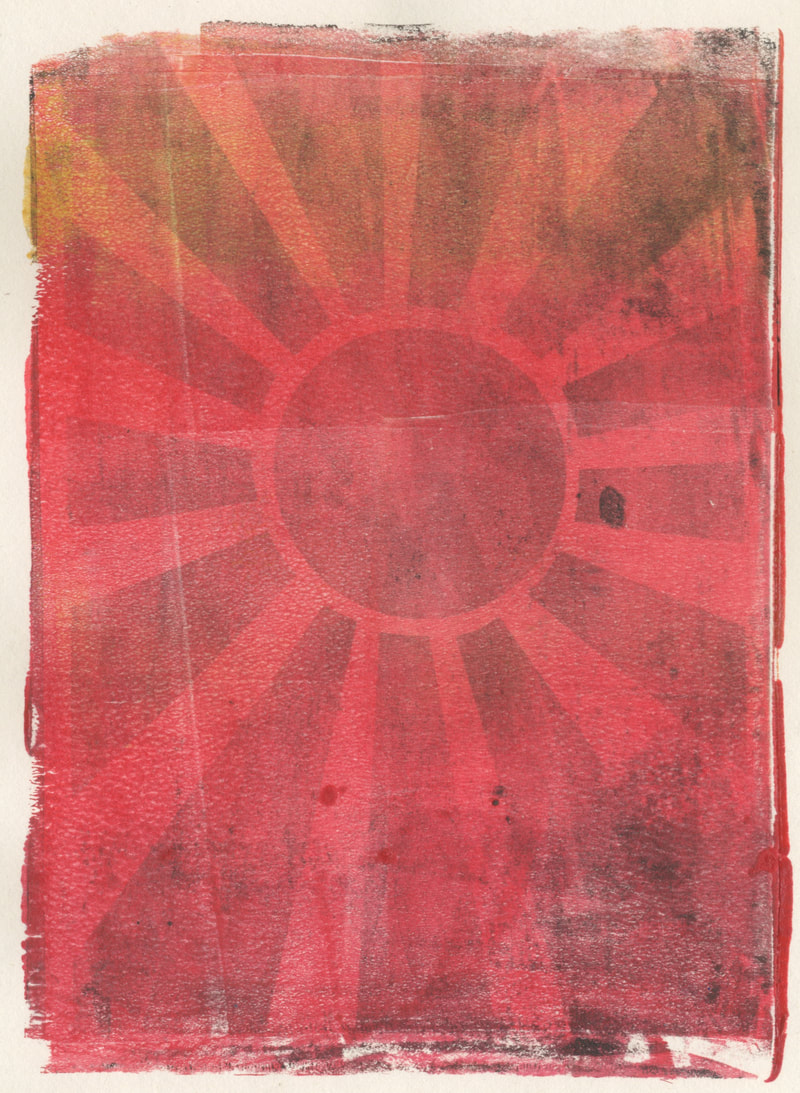
Gelli Printing
|
Before editing
|
|


|


|


|

|
|
After editing
|

|

|

|

|

|

|

|

|

|

|
Full-page experimenting

|
Version one

|

|

|

|

|

|

|

|

|
Version two

|

|

|

|

|

|
Version three

|

|

|

|

|

|

|
another idea

|


|


|

|
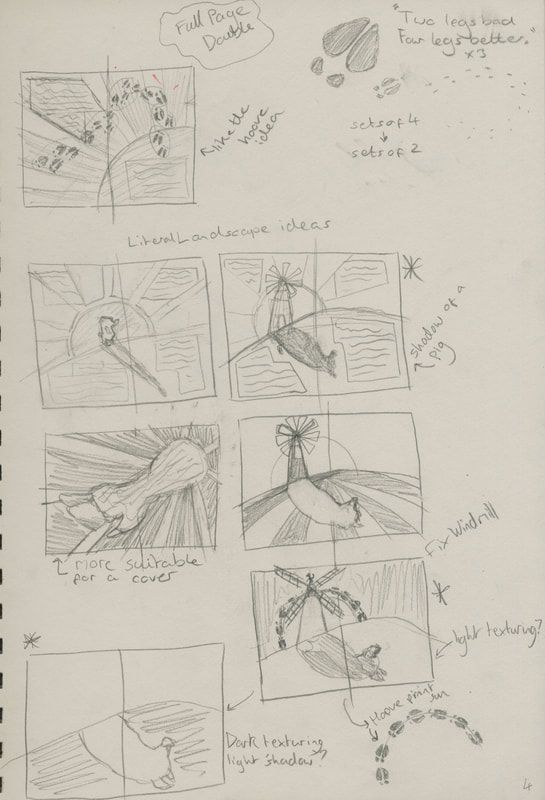
Double-page spread with incorporated text
Thumbnails
|

|

|
progress


|


|

|
final mockups
|
|