Brief
'How do Nuclear Power Plants work?'
Select a seemingly complex piece of science and, using the powers of illustration, you provide some much needed clarity.

|

|

|
|
|
|
Clarified in 5 easy steps!
Step 1: Fission Heats Water
Uranium atoms in the reactor core split, releasing massive heat. This heat boils water in a separate loop.
Uranium atoms in the reactor core split, releasing massive heat. This heat boils water in a separate loop.
Step 2: Steam Drives Turbine
The high-pressure steam generated by the boiling water pushes against the blades of a large turbine, causing it to spin.
The high-pressure steam generated by the boiling water pushes against the blades of a large turbine, causing it to spin.
Step 3: Turbine Powers Generator
The spinning turbine shaft is connected to a generator. Inside, magnets rotate within coils, creating electricity.
The spinning turbine shaft is connected to a generator. Inside, magnets rotate within coils, creating electricity.
Step 4: Electricity Goes to the Grid
The electricity generated is sent through a transformer to increase its voltage, and then distributed across the electrical power grid for homes and businesses.
The electricity generated is sent through a transformer to increase its voltage, and then distributed across the electrical power grid for homes and businesses.
Step 5: POWERRR
But one main question, How will I present this?
A museum exhibit!
A museum exhibit!
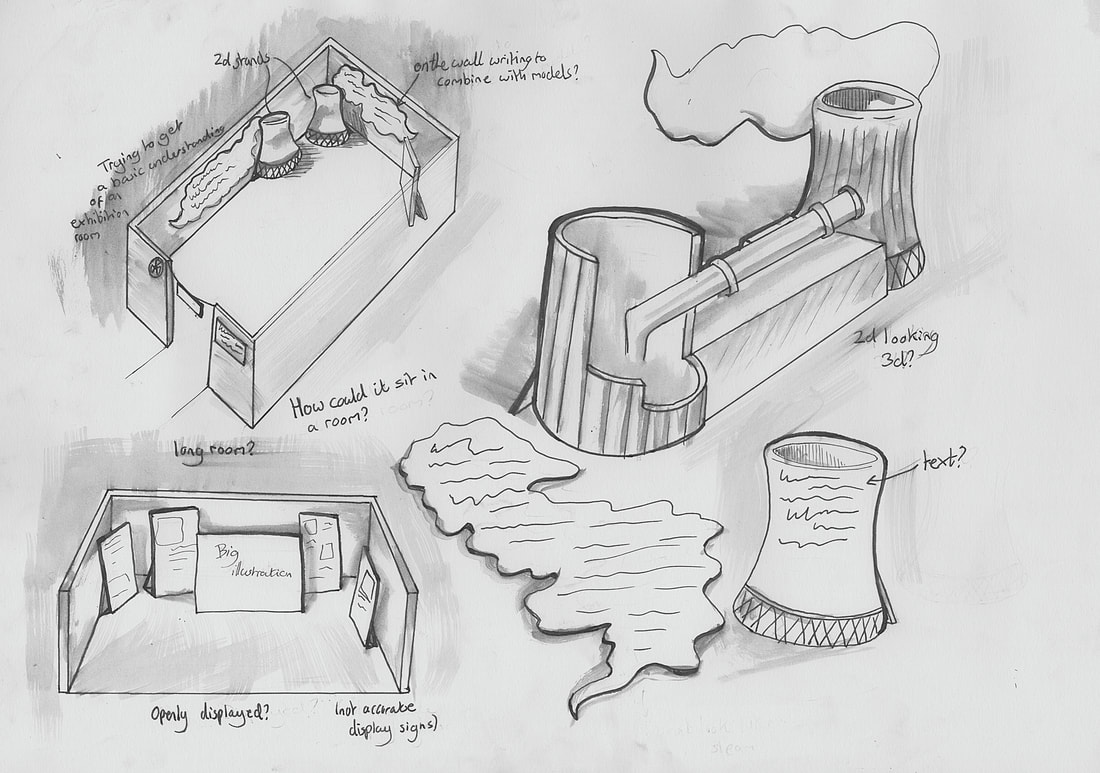
In terms of target age I didn't want my work to be childish or too serious, more appreciative of the seemingly 'easy' steps taken to produce so much power. So I want to aim my exhibition for tweens and early teenagers, not needing to be too technical but also having a fun twist to it.
In order to try and get some inspiration I took a trip to the Tullie House, while I knew there wouldn't be anything relevant to my topic I wanted to look at more of the extravagant exhibits for unique ways to display my illustration and any text to go alongside them.
These were some of my favourites!

|

|

|
I particularly liked the idea of a a centre piece being the main focus and the 'clarification' being presented as steps around it.
|
|
These were some other interesting exhibits when I was wandering around.
|






Artists
|
Franklin Booth

|
Virgil Finlay

|
M.C. Escher

|
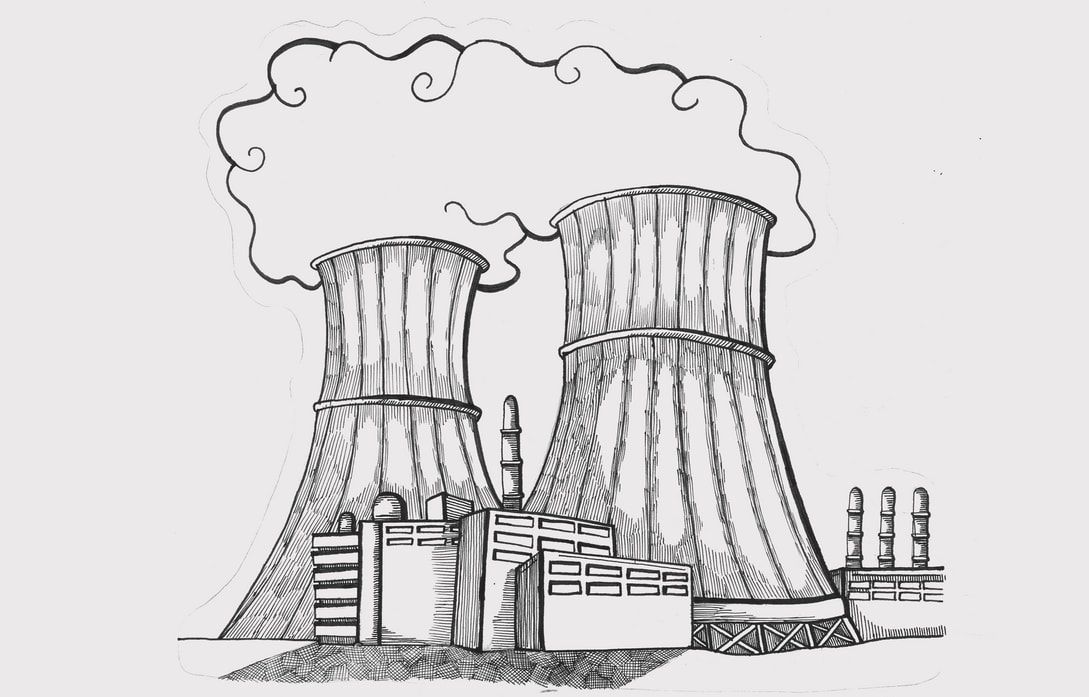
I wanted to mainly focus on improving my ink techniques and so I will be looking into a few ink artists who's precision and and chosen techniques, in particular I want to focus on creating straight precise lines and my hatching.
Inked designs ready for detailing

|

|

|

|

|

|
Testing out different ink techniques
|

|

|

|

|

|

|
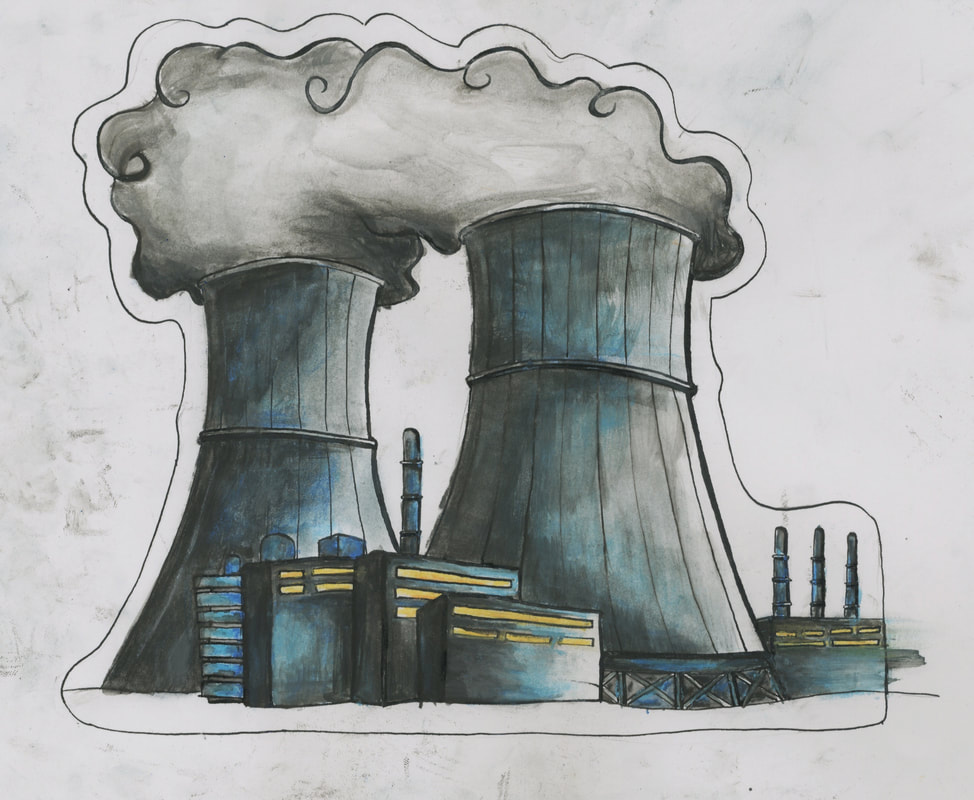
Adding colour through watercolour

|

|

|

|

|

|

|

|
Final versions without text
I've redone a few of the ink designs to improve them in terms of details or the ink techniques itself, I also want to recreate the watercolour to make it more eye-catching.

|

|

|

|

|

|

|
Final versions with text

|

|

|

|

|

|

|
Original Mockup idea (with additional details)

|
Other potential mockup idea

|
My main points from feedback were concerning the mockup itself.
- Make the background of the exhibit more exciting (ex, decorative text, long illustration)
- Could utilise the outside curvature of the exhibit?
- Work further on the interlinking of steps.
- Background might be better subtle?
- Make the background of the exhibit more exciting (ex, decorative text, long illustration)
- Could utilise the outside curvature of the exhibit?
- Work further on the interlinking of steps.
- Background might be better subtle?
Atomic Design
The Mid-Century Modern "Atomic Age" aesthetic, popular from the late 1940s to the 1960s, is an optimistic style that reflects the era's fascination with science and the Space Race. Its key features include stylised representations of orbiting atoms, dynamic starbursts (or "Sputniks"), and bold, often colourful geometric patterns.

|

|
For this I decided to keep it simple, too much complexity might take away from the exhibits themselves.

|

|

|
|
Final Outcome
|

|